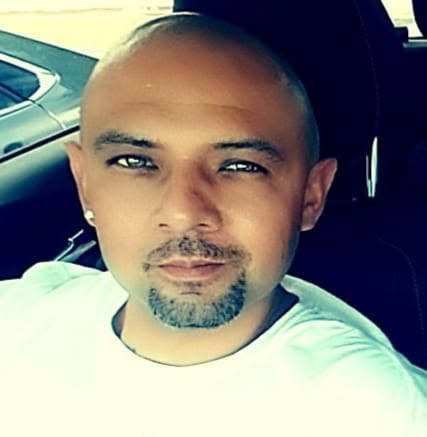
By the time you meet Chris Acevedo, it’s clear he didn’t “find” art later in life—art has been constant.
“I passed all my classes and everything,” he says, “but I just liked to draw… since I was a kid.”
In school, he was the one doodling on the desk, half listening to the lecture, half lost in the sketch. Long before electronics and endless scrolling, he filled notebooks with drawings just to entertain himself.
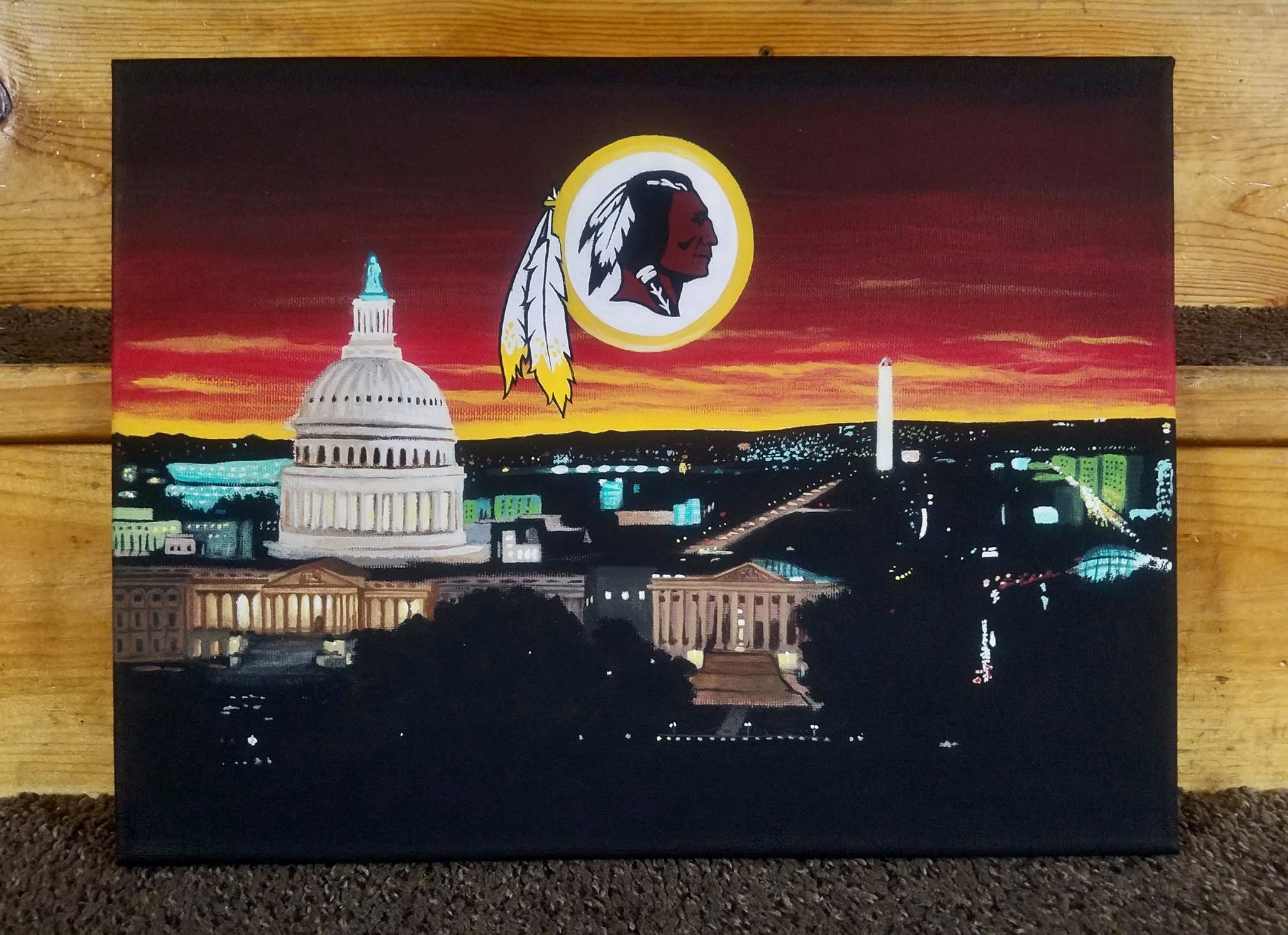
That drive never went away. Jobs changed, but art stayed. It showed up in side projects, private commissions, and designs for people who recognized his talent long before he saw it as a business. Eventually, he realized something life-changing: people would pay for what he loved to do.
.
FROM ART CLASS TO SANTA FE—AND A SCHOLARSHIP
Ask Acevedo what his favorite class was in school, and he answers without hesitation: art. In high school, his teacher told him there was nothing left to teach him—so instead, she gave him freedom and pushed him into competitions. That encouragement led him to Santa Fe, where one of his most impactful early works placed, earning a scholarship.
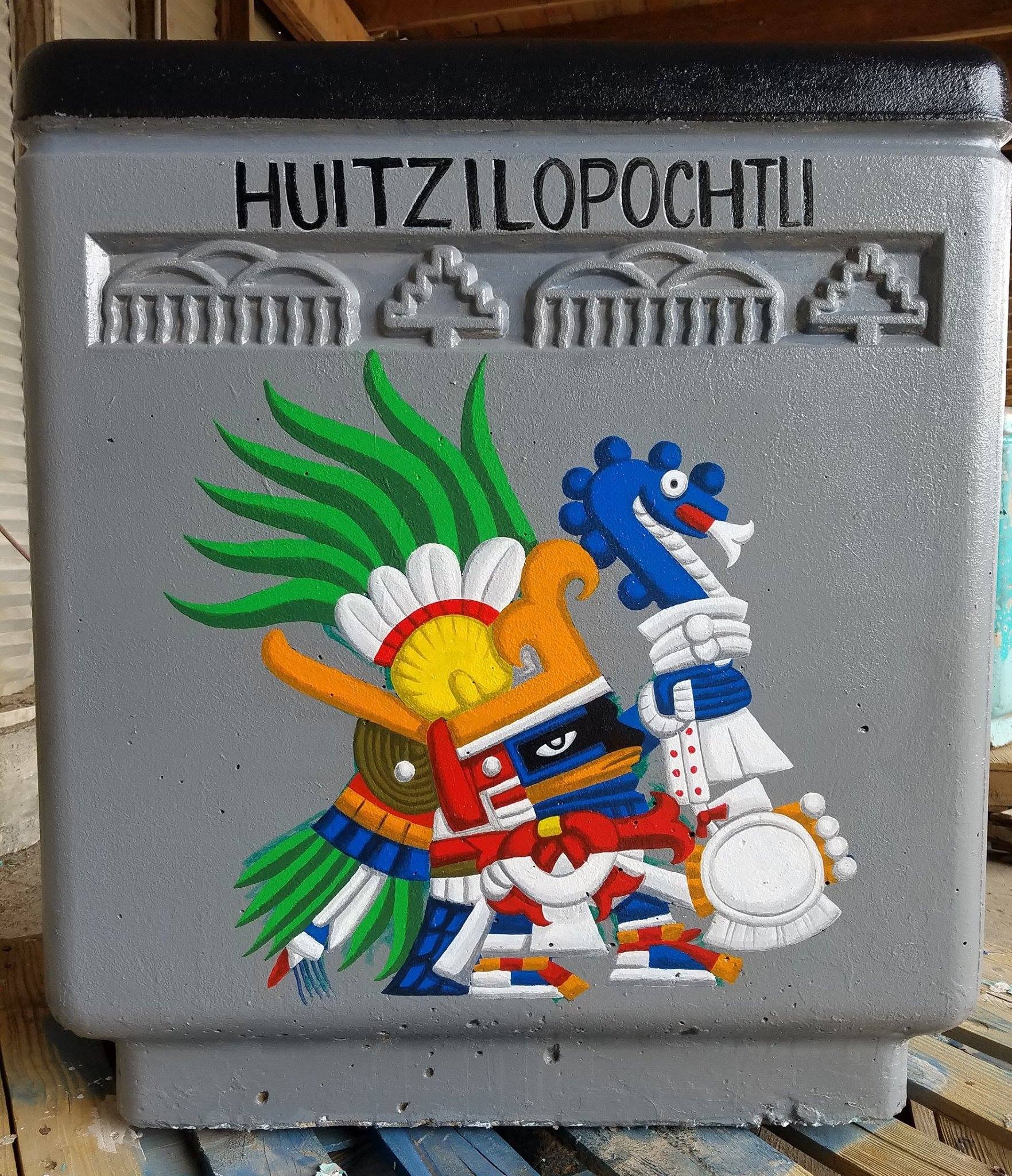
The piece, a framed pencil drawing, collaged Mexican and Aztec cultural imagery, including the Virgin Mary—an early example of the symbolic storytelling that still appears in his work today.
“I don’t even know where that piece is at,” he admits. “It’s probably in storage somewhere… but that’d probably be my most favorite and impactful piece.”
THE BIG WALL MOMENT: “IT FEELS LIKE I’VE ARRIVED”
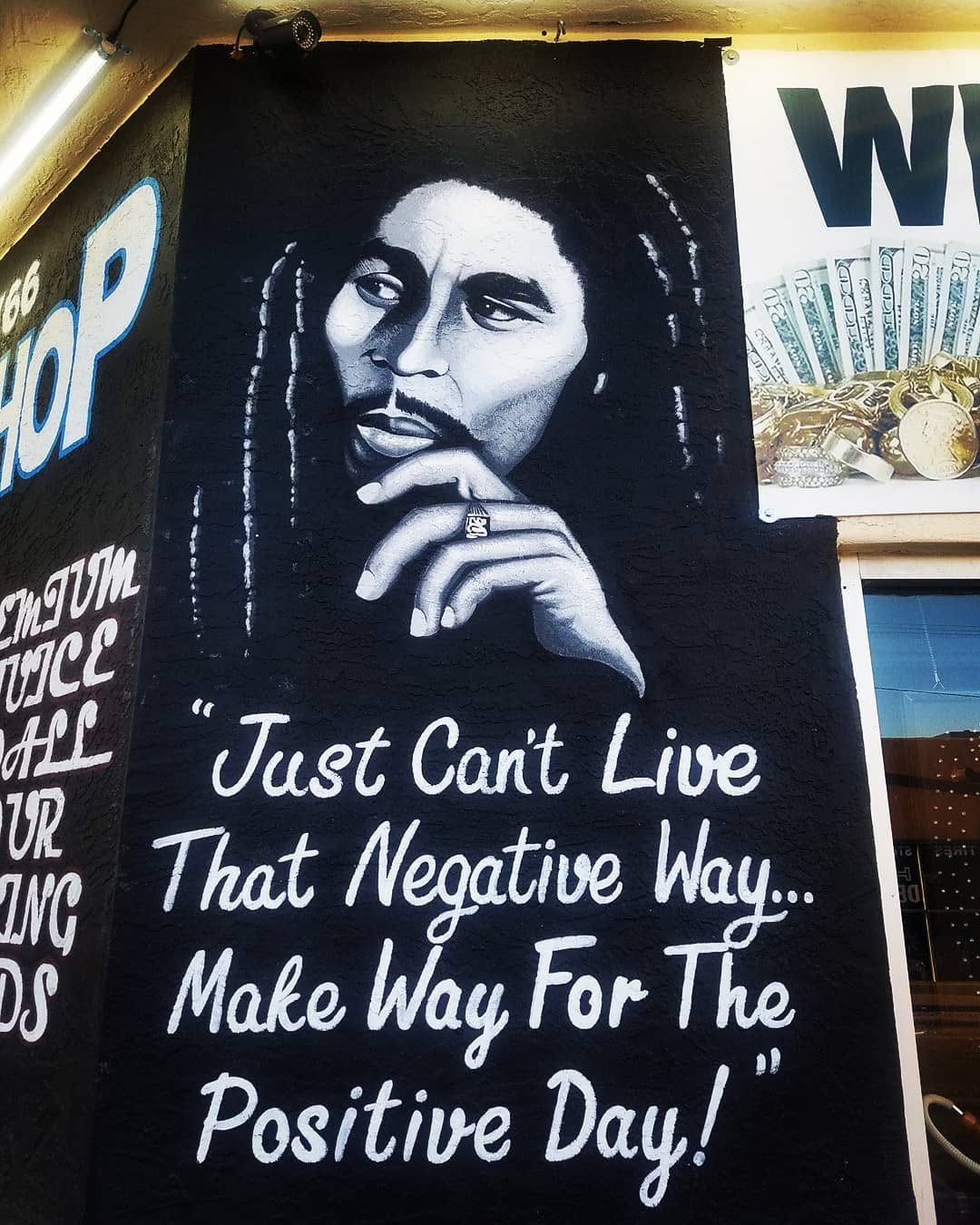
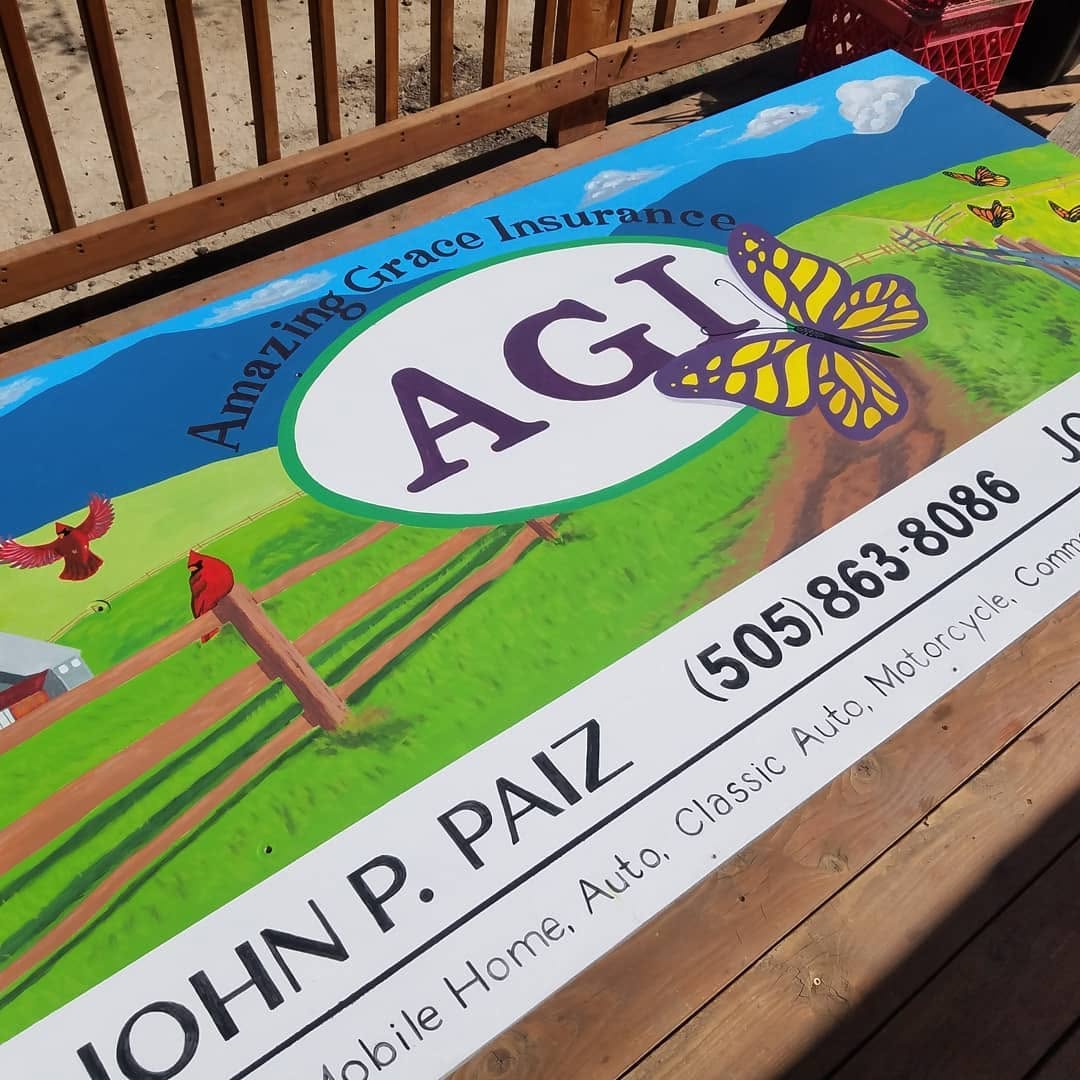
Today, Acevedo is known for large-scale, public work across Gallup—murals that locals recognize instantly, and travelers photograph like landmarks. He describes the shift from small drawings to building-sized pieces as surreal.
“It feels amazing,” he describes the feeling, “It’s kind of like, ‘I’ve arrived’.”
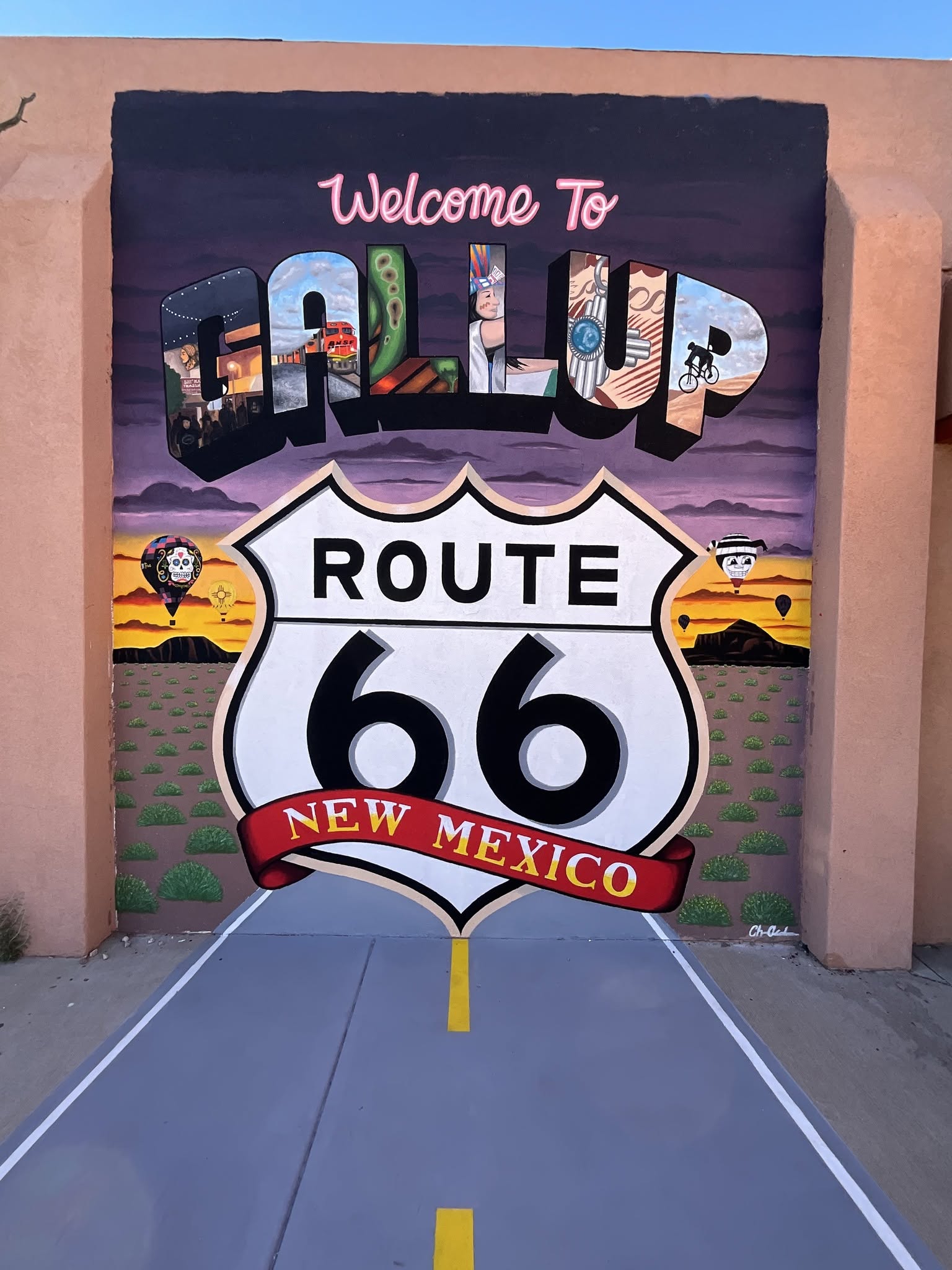
Two projects stand out as major milestones: the mural at Midori (which he calls their “crown jewel”) and the “Welcome to Gallup” Route 66 piece at the Chamber of Commerce Visitor Center. He also created the red car mural at Richardson’s—another recognizable stop for anyone driving through town.
Scale is part of what makes mural work powerful, but for Acevedo, so is permanence: these pieces live in public space, woven into daily life. His family is part of that story too—his wife and their four boys often help paint.
“My kids… my wife… they get to have me [along] with it,” he says. “That’s something they can always say: ‘Well, look, I did that’.”
BEHIND THE SCENES: HOW A MURAL GOES FROM IDEA TO WALL
Most people see a finished mural and assume it appeared overnight, but Acevedo’s process is methodical—and built around the client relationship.
He starts by gathering as much insight as possible: what the client wants, what the vision is, what colors and elements matter, and what the budget allows. Then he sketches concepts and sends options for feedback. Once a design is approved, he creates a digital mockup by placing the design onto a photo of the wall so the client can see thescale, placement, and overall impact.
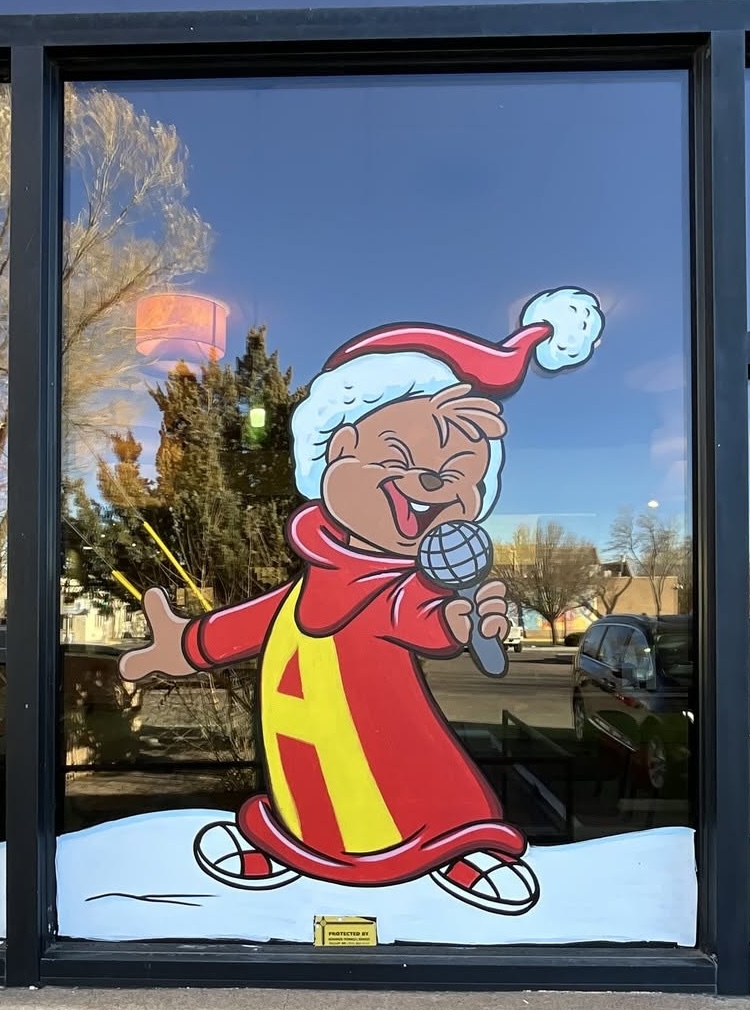
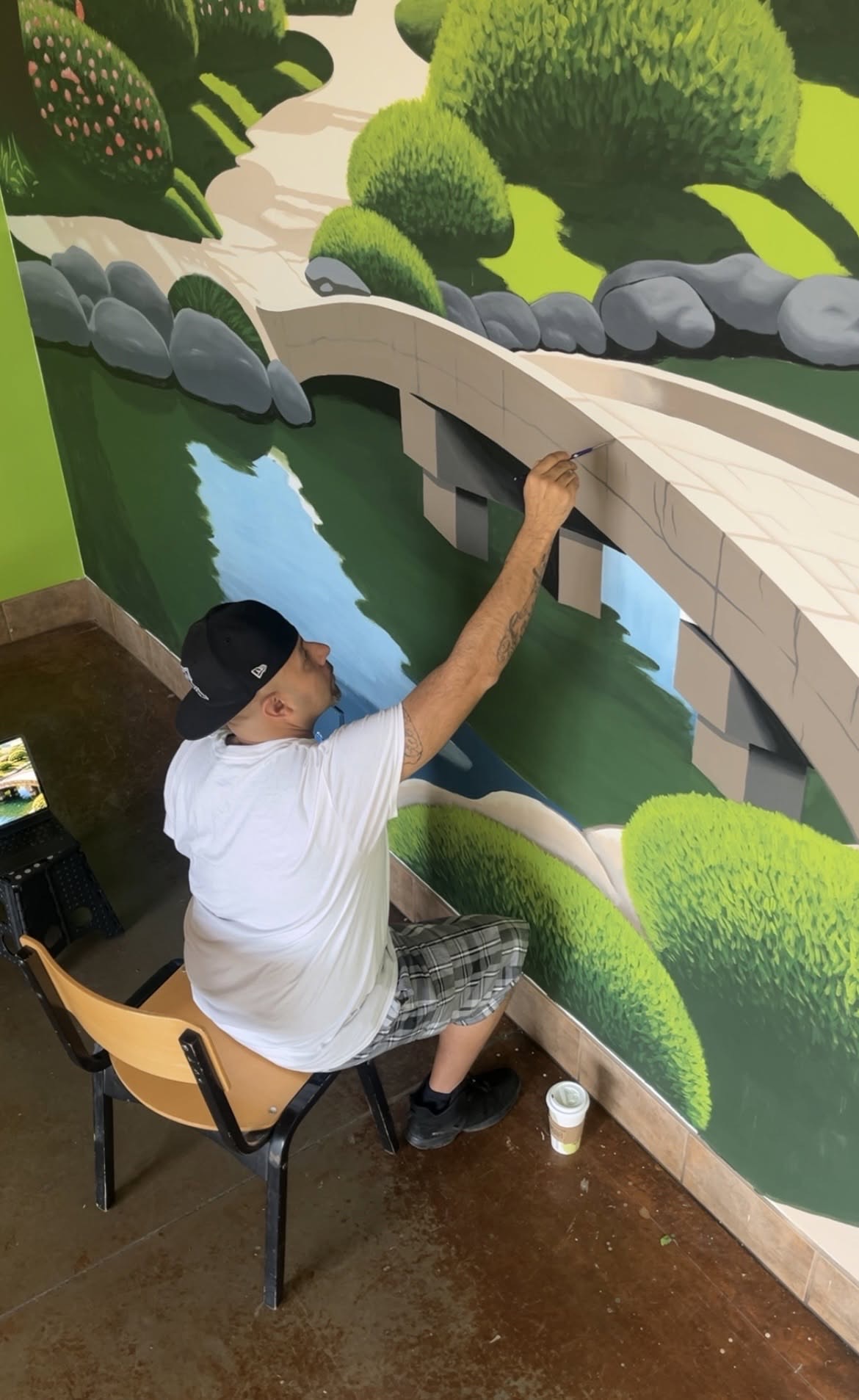
Then comes the physical process. If the wall isn’t already white, he paints a white base first. He typically sketches directly onto the wall in pencil—often freehand, referencing a phone or iPad. For murals, he favors acrylic or house paint depending on the setting: exterior paint outside for durability, interior paint inside (especially for window art) because it’s easier to remove.
Acevedo is aware of tools like projectors that many muralists use, but he’s built his skills around his hand-drawn layout. When the projector failed on the Midori mural—one of his most complex designs—he committed fully to pencil sketching the entire piece by hand before layering color.
THE MIDORI CHALLENGE: PAINTING A 3-D AIR DUCT INTO A 2-D LANDSCAPE
The Midori mural wasn’t just large and complex—it required real problem-solving. A key feature involved extending the painting onto a curved air duct, so the landscape would look continuous. That meant perspective had to align from a specific viewing angle.
Even small shifts in position broke the illusion. To solve it, Acevedo used a laser pointer and teamwork: standing in the precise spot where the alignment looked correct, he directed his wife to paint exact points on the duct to match the flat wall imagery.
“It was kind of tricky,” he remembers. “It’s a 3-D object that has to blend in with the flat 2-D object… The laser helped because I can stay right here and show her exactly… where to paint that duct.”
REALISM, OILS, AND WHY MATH IS EVERYWHERE
Acevedo describes himself as realism-focused. When he paints, he wants shadows, highlights, and depth—the kind of detail that makes an image feel alive. In studio work, he’s especially drawn to oil paint because it stays wet longer and blends smoothly, allowing for the soft transitions that realism depends on.
Joking that math was “boring” in school, he acknowledges it plays a huge role in art—especially composition and harmony. He references the Fibonacci sequence and the golden ratio as patterns that appear in nature, the human body, and classical art and architecture.
“Math is everywhere,” he says. “Anything you see… it’s in everything.”
AN ARTIST WHO ALSO SELLS HOUSES—AND WHY ART IS HIS THERAPY
Acevedo’s professional life has a second major lane: real estate. He’s been a licensed agent for nearly a decade. That work connects naturally with his art, especially because many of his real estate clients are local business owners who also need branding—murals, logos, graphics, and marketing visuals.
But the emotional experience of the two careers couldn’t be more different.
Acevedo often absorbs the anxiety of multiple clients and moving parts. Real estate, he explains, can be high stress: months of work can disappear if a deal falls through at the last minute.
“With art, none of that,” he says. “It’s so stress-free… When I’m painting, the world goes quiet.” That “quiet” is why he calls art his therapy—and why it’s the work that makes him excited to wake up.
“Not many people are excited about work,” he says. “Everybody hates Monday… Me, I’m like, ‘Man, I can’t wait’.”
THE ROAD THAT LED TO A DEGREE: NAVY TO THE ART INSTITUTE
Acevedo’s path includes five years in the Navy, a decision that helped him access opportunities that felt unreachable growing up. Raised by his grandparents and with little financial cushion, he viewed art school as a dream too expensive to be real.
But with his GI Bill, he attended the Art Institute of Phoenix, earning a bachelor’s degree in graphic design—crossing off a lifelong goal. That achievement changed his mindset: “Ever since then, I was like, ‘Man, anything is possible’.”
Acevedo worked in Phoenix under a creative director at a website company during the dot-com boom, but family brought him back home when his grandfather’s health declined. Returning to a smaller town meant fewer graphic design opportunities. Feeling overqualified for many roles, he pivoted into real estate—without ever stepping away from art.
THE MILITARY: GROWTH, TRAVEL, AND ONE MOMENT HE’LL NEVER FORGET
Acevedo describes the Navy as scary at first—his first plane ride, boot camp in Chicago winter, and a dramatic shift from the life he knew. But the experience built discipline, expanded his worldview, and shaped him into who he is. Stationed at Pearl Harbor in Hawaii, he traveled, developed skills, and formed bonds he compares to family-level closeness.
His service also included one traumatic moment: witnessing a friend get shot on base by another sailor. His friend survived, but the event left a lasting imprint.
“It was pretty crazy,” he says. “Not even an enemy, but a fellow sailor.”
FAMILY, FREEDOM, AND BUILDING GENERATIONAL WEALTH
Acevedo’s values extend beyond art. He talks openly about independence—not wanting to answer to a boss forever, not wanting to spend decades chasing a pension, and, instead, building a life where time belongs to his family.
That’s partly why he brings his kids to worksites and lets them help. It’s also why he’s intentional about teaching them mindset: self-belief, courage, focus, and the idea that earning income is only the first stage—investing is how you build a future where your money works for you.
“[Do] whatever you want to do,” he tells his children, explaining they don’t have to follow a default path. “Military, start your own business, college… as long as you’re focused and you have a goal, I’ll back you 100%.”
Acevedo lets his kids observe, explore, and ask questions when they’re ready, but doesn’t force art onto them. If they choose creativity, he wants them to hold onto it—because he’s seen how quickly fear or discouragement shuts it down.
One of the most important messages he shares with younger artists is simple: challenge and believe in yourself, even when people close to you push you toward “safe.”
“[I] create goals big enough that they scare me,” he says. “That’s the advice—set goals that are scary and go after it.”
INSPIRATION: LOWRIDER CULTURE, TATTOO ART, AND TODAY’S MURALISTS
Acevedo’s early inspirations came from the visual culture around him: lowrider art, airbrushing, graffiti, and tattoo design. He names California tattoo and graffiti artists like Mr. Cartoon and OG Abel as major influences—artists who showed him that art could live outside galleries: on cars, walls, and bodies. Even in the Navy, he drew constantly—designing tattoo patterns for other sailors and creating artwork wherever he could.
Today, his inspiration has expanded. He pays attention to muralists on platforms like TikTok—especially artists who have built full-time careers traveling and painting. He’s energized that making a living through art is not only possible but increasingly visible.
WHAT’S NEXT: WINDOWS, NEW MURALS, AND THE POSSIBILITY OF PRINTS
Acevedo is busy with commissions and public work, but he’s looking ahead. A future large mural is in the works with another business once their building is ready. In the near term, the holiday season brings high demand for his window art—like work he’s done for businesses like Denny’s and Pinnacle Bank.
He’s also interested in scaling through prints and licensing—ways to earn repeatedly from artwork already created. So far, he hasn’t had much time to produce standalone pieces for exhibitions or print runs because most of his output is custom and commissioned. But it’s on his horizon.
WHERE TO FIND HIS WORK
Acevedo shares his finished projects online under the name AcevedoArtworx. You can find him on Facebook.
In Gallup, his murals already speak loudly—on Route 66, at local businesses, and in the photos of travelers who may not know his name yet, but remember the walls he transformed.
IMG_3327
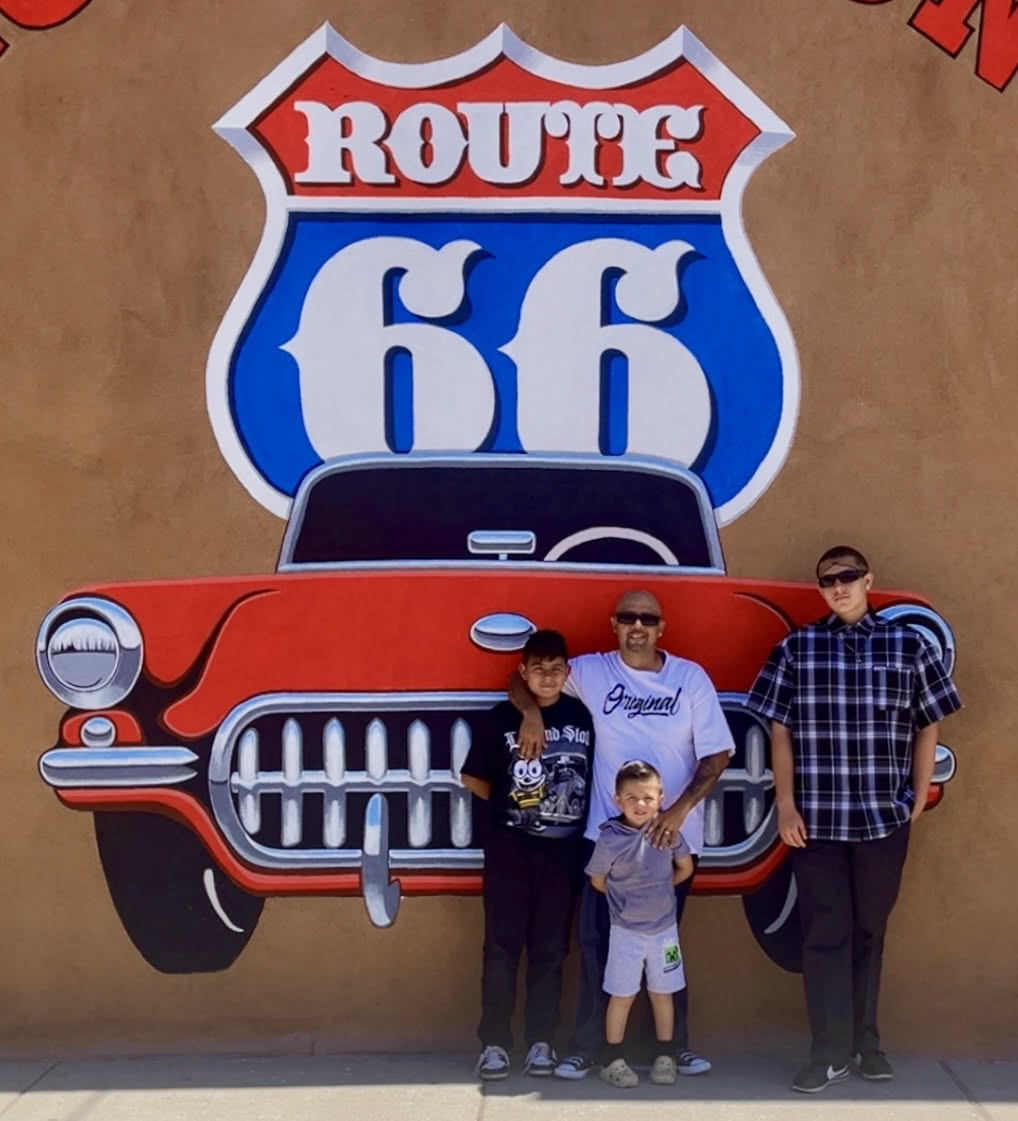
Richardson’s Route 66 Mural
Chris and family